
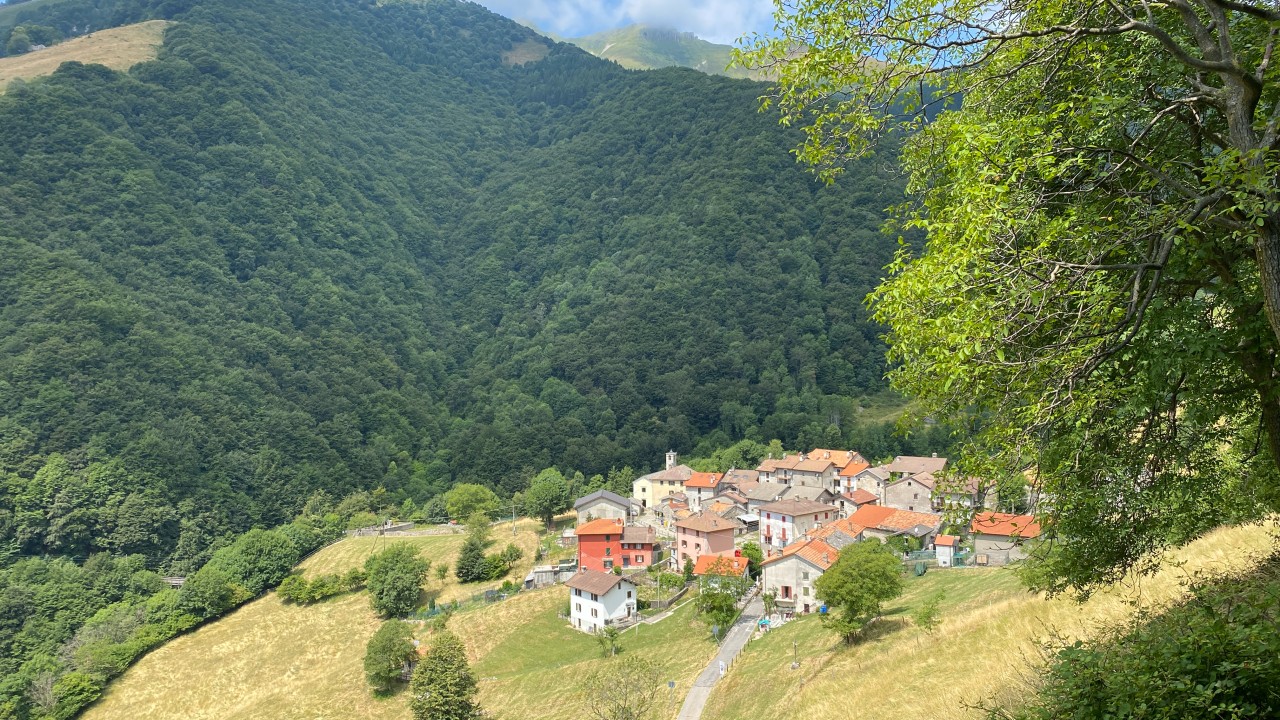
It’s hard to write about Italy when I’m not there. But with our campaign “Buy a Site and Build in Italy” officially launched, Italy is very much on my mind. You’ll see our new ad in the September issue of Table with a QR code linking to how we can help across the ocean. We’re also exploring properties for ourselves, activating our partners, and moving closer to our dream of rimpatrio (repatriation).
Since moving to Pittsburgh in 2012, I’ve spoken with many Italian Americans whose first questions are: Do you speak Italian? Have you been back? Do you still have relatives there? Would you like to live there again? Many say they’d love to go but never have—sometimes for financial reasons, sometimes family or health concerns, sometimes fear of travel. Yet the longing to connect with their heritage is always strong.
When I became a U.S. citizen, President Biden’s welcome video moved me to tears: “Be proud of your origins and your heritage.” I am. I love combining the best of both worlds – Italian elegance with American ingenuity and efficiency. Of course, no place is perfect: in the US, I miss Italy’s beauty and products; in Italy, I miss America’s accessibility and convenience. But this longing fuels my creativity: It pushes me to design spaces that are efficient and beautiful. So, is there a way to travel without traveling? From a design point of view, I believe YES.
“By carefully shaping our spaces, we can recreate experiences that make us feel as though we are somewhere else.”
Spatial Sequencing and Narrative
Good architecture should be like a journey through space. By designing interiors as a sequence of unfolding experiences you can achieve “timeless” results. This is relevant because we are often asked to create spaces that transcend styles and fads. Think of how you moved through a city you visited, maybe on a trip outside of the US: Some streets are narrow and then they lead to piazze revealing remarkable public spaces. Other streets are boulevards, very wide, but with a rich ground level, full of businesses and activities. Maybe trees provide respite and encourage stopping and interacting with others.
“Compressing and releasing spaces by creatively planning the location of walls and the height of ceilings can be a great way to create variations even when the footprint you can work with is small.”
We did this in our own home and office, which is an exercise in giving the impression that we have much more square footage than we actually have. This is also giving us a lot of flexibility of use, making the space feel like an office until 5 pm and like a home one second later (just turn off the PCs!!). Our home and office is designed by keeping in mind phenomenal transparency, which is a tenet of modern architecture. It allows us to perceive the space as layered and multidimensional, allowing multiple readings at once, rather than being literally see-through.
You can mimic courtyard, bridges, arches, and more with a thoughtful three-dimensional approach to your home or office without adding one additional square INCH to it.
Cultural Layering through Materials & Textures
For people who love traveling or who come from other countries, it is easy to recreate the feeling of travel – or of home – by using materials in a smart way. This is a great way to create visual interest in general. Moreover, by using natural materials and textures, you can add biophilic elements to your space, with all the collateral benefits proven by neuroscience. You can find inspiration in material palettes that come from different geographies: Stone from a Mediterranean quarry, bamboo details referencing Asia, rammed earth walls reminiscent of the Southwest… The world IS your oyster! You can summon exotic atmospheres or cozy ones even with simple paint colors, natural plasters, or with wallpapers, which may still have a bad reputation in the US but have made LOTS of progress since the ‘70s. Give them a chance!
For people who prefer cleaner lines and quieter interiors there is always a way to incorporate a “visual souvenir” that doesn’t shout.
“Good architecture is tailored to your needs, not to social media.”
Atmosphere as Travel
Speaking of atmosphere, there is a great book that really made an impression on me: In Praise of Shadows by Jun’ichirō Tanizaki. Apart from something I cannot unread/unsee about “Western white porcelain toilets” (which was making a fair point, by the way), I remember being fascinated by the strenuous effort to explain the Asian way of living by describing different atmospheres it entailed. Every portion of a house was described with care. Concrete examples of why things were designed in a certain way and why they were better back in previous times were given. Tanizaki, whom Oscar Wilde heavily influenced, was fighting for a world that was already disappearing in favor of a more modern way of living. Yet, his work remains a lesson in architecture. His praise for shadow is also a great reminder that good lighting is a fundamental component of a successful architecture project.
A lot of clients want dimmable fixtures, but it is also important to use them to choreograph your spaces carefully. It is fun to recreate romantic alcoves or mysterious alleys you may have visited on a trip. Ultimately, you don’t need 1000 lux in every space or all the time (unless you are a jeweler or a surgeon). Lastly, consider the color temperatures and light intensity that support your circadian rhythm.
“Carefully choreographing both artificial and natural light sources can make your home more restful and rejuvenating – like a good vacation!”
Program and Function as Exploration
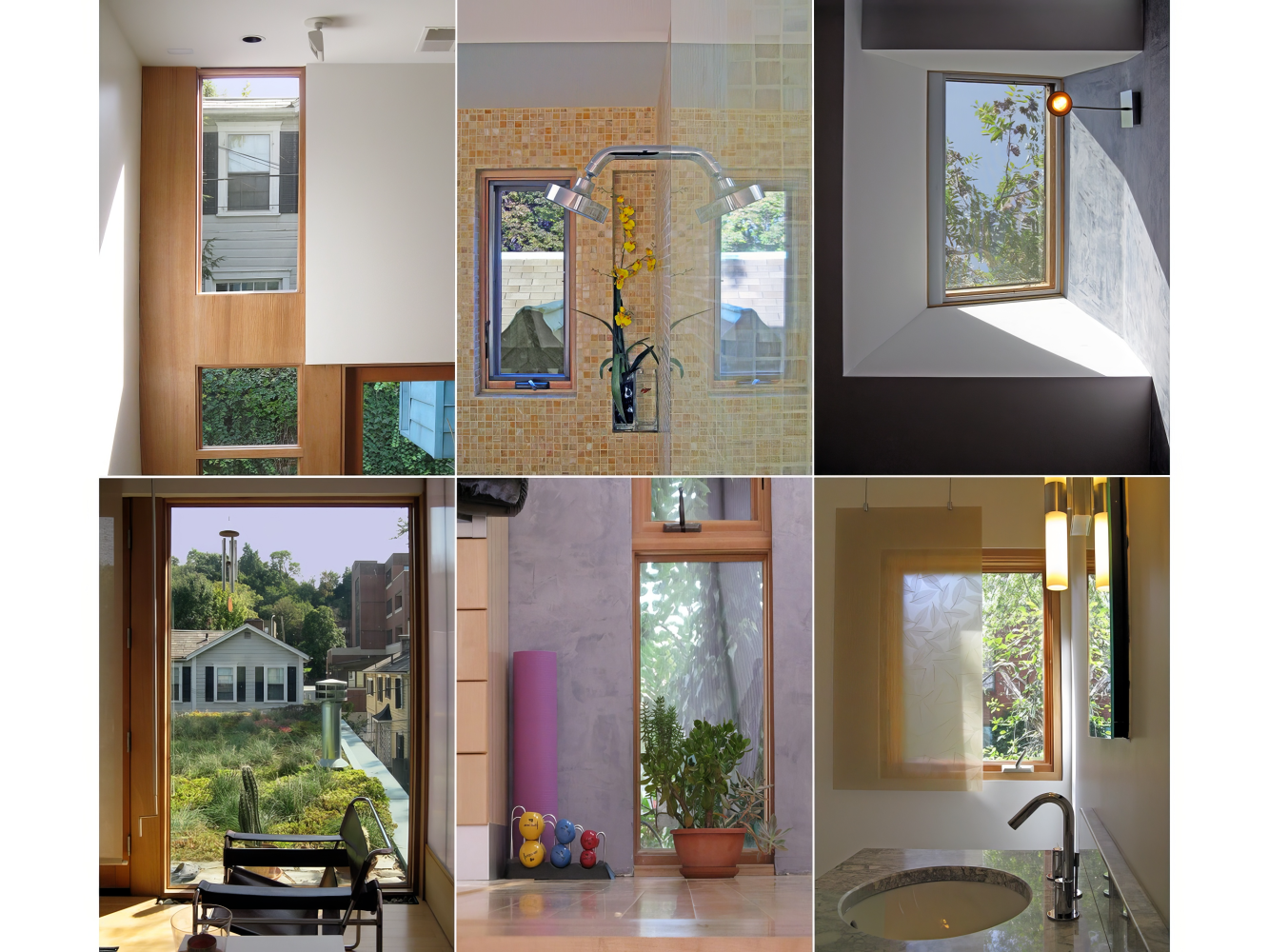
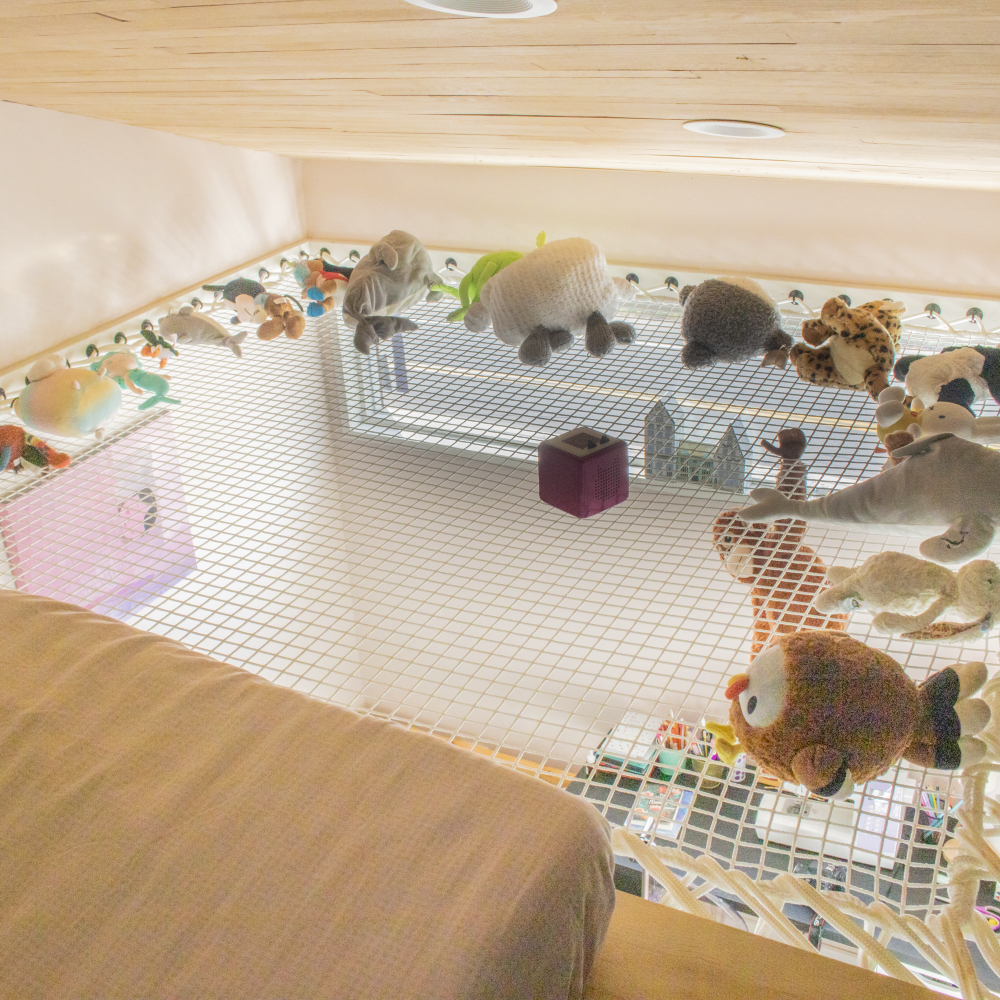
One of my favorite projects is our “Family Dynamics” project in Squirrel Hill. The Owners are an international couple who wanted to merge Asian influences and German ingenuity. Every inch of the house is a journey in two very different cultures. One request from the Mother was to create a wet room in the Asian style. Wet rooms and bath rituals in Asia aren’t just about hygiene—they’re deeply cultural, spiritual, and architectural. They bring together ideas of cleansing, ritual, social interaction, and sensory experience. On the other hand, the Father wanted a deeply interactive and adventurous space for the kids. Together, we designed secret passages and a loft that features a special net where kids can peek down in total safety.
Other ideas that can be borrowed from other cultures are:
- A hammam-inspired bathroom with a sequence of warm/cool spaces.
- A tea room for ritual and pause.
- An indoor courtyard or loggia for gathering as if outdoors.
- A greenhouse that reminds one of a tropical forest or a zen garden
- A Mediterranean balcony with clay tile flooring
If budget is a constraint it is possible to focus on a smaller area and make that truly special by featuring careful details (lattices, minimalist joinery, evocative geometries, movable partitions). Alternatively, focus on an overall spatial organization that features different scales of space allowing for more flexibility of use.
Framing, Views, and Landscapes
Every space we design is deeply connected with the surrounding exteriors. We bring nature in by framing views and playing with windows in strategic ways. Our home-office does that also by pushing the house to the side of the rectangular lot we have and by creating a courtyard that expands our horizons even in a tight context in the center of Shadyside. Moreover, each of the three levels of our house gives you the impression that you are at a grade. Our bedroom faces our beautiful green roof, giving us the feeling that we live in the countryside.
You can also borrow landscapes and design them on the basis of places you have been to, or that you would like to be. Our Irwin Studio is a fantastic example. You would think you are in Japan even if you are very close to Carnegie Mellon University here in Pittsburgh.
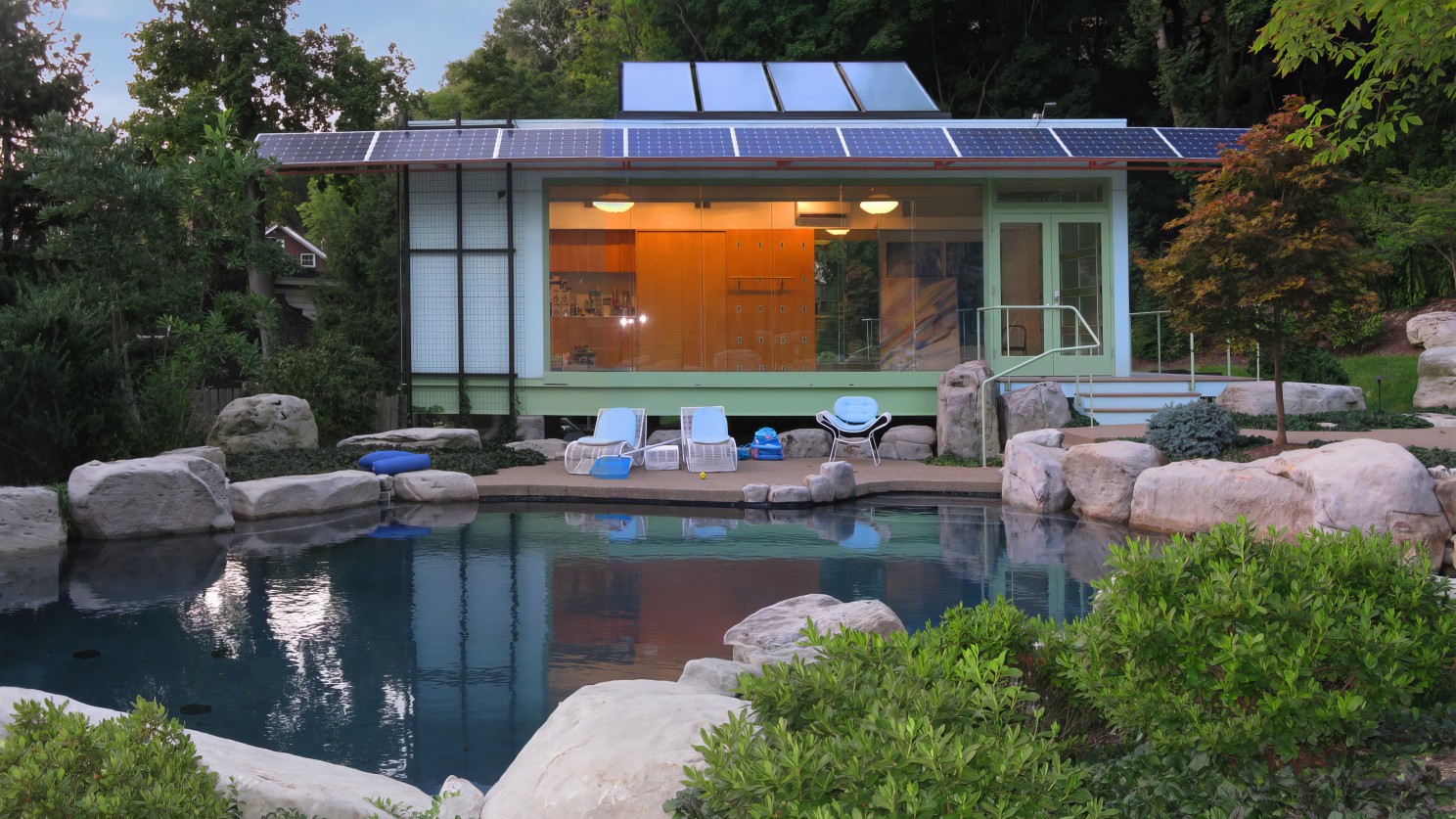
If you have a generous space to work with, you can create even internal vistas, playing with long corridors, framed doorways, or layered arches that create unforgettable visual experiences.
Adventure Without Moving
We should remember what Jon Kabat-Zinn famously said: “Wherever you go, there you are.” However, if you want to travel by design, you certainly can! To avoid the “souvenir trap” you should not replicate a space you visited, nor fill it with imported objects (although I appreciate my elegant Alessi moka that makes me feel like I am in Milano every morning). You should rather capture the essence of a place and recreate the conditions of wonder, discovery, and atmosphere that travel itself evokes. Through tridimensional planning, stimulating materials, light design, sequencing of spatial experiences, and cultural abstraction, we can design the possibility of adventure without moving.